

 ₹https://preschool.littlemillennium.com/little-millennium/preschool-in-gurdaspur/preschool-in-fatehgarh-churian/little-millennium-preschool-in-fatehgarh-churian-gurdaspur--5xyXf1/articles/the-role-of-music-art-and-movement-in-early-childhood-learning-at-preschools-in-fatehgarh-churian-gurdaspur--2c6ca093-d562-4e1d-8054-c3b73cd5efb3
Little Millennium Preschool, Fatehgarh Churian, gurdaspur
Preschool Pre School in Fatehgarh Churian, Gurdaspur, Punjab
Randhawa Market, Nearby Old Bus Stand, Fatehgarh Churian, gurdaspur, punjab - 143602
Request A Call Back
Little Millennium Preschool Social Feeds in Fatehgarh Churian, gurdaspur
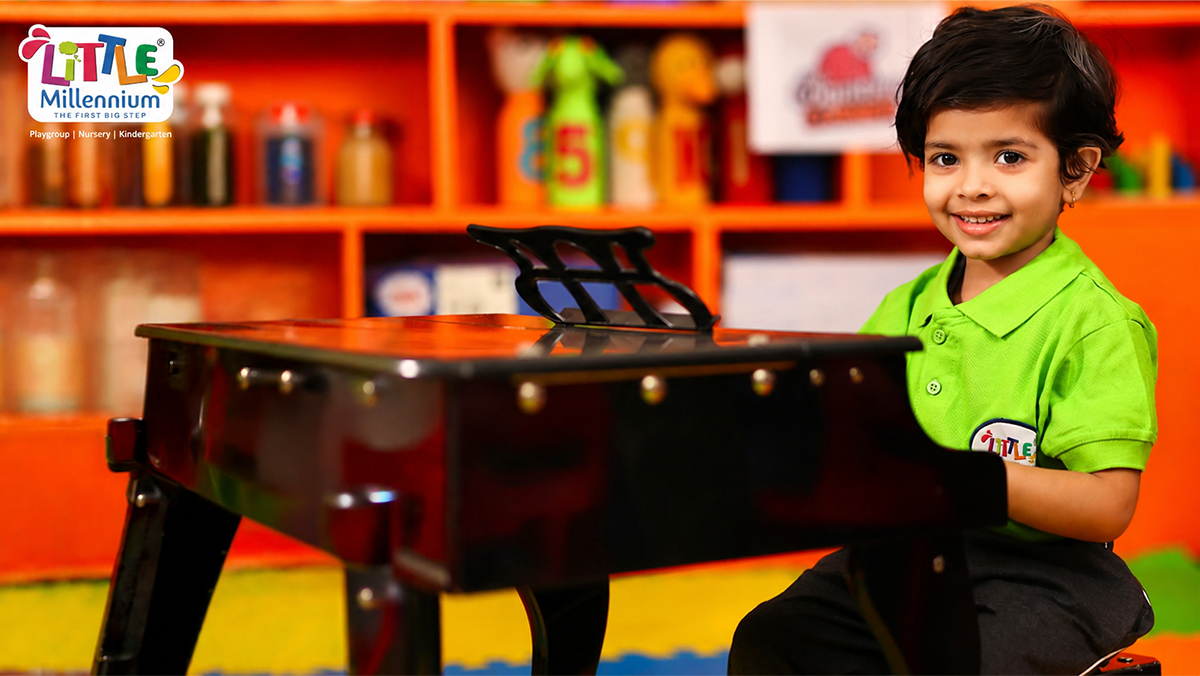
The Role of Music, Art, and Movement in Early Childhood Learning at Preschools in Fatehgarh Churian, gurdaspur
Discover how music, art, and movement activities at
preschools in Fatehgarh Churian, gurdaspur nurture creativity, language, motor skills,
and emotional well-being in young children.
Early childhood is a period of rich sensory exploration,
where every sound, colour, and movement contributes to a child's understanding
of the world. For families exploring quality preschools, programs that
integrate music, art, and movement into daily learning offer more than
entertainment — they nurture cognitive, emotional, and physical development in
powerful ways.
While numeracy and literacy form the academic backbone of
early education, expressive activities help children develop creativity,
communication, and self-awareness. Together, they create a balanced learning
experience that supports holistic growth.
Music: A Natural Language for Young Learners
Music is one of the earliest forms of expression a child
responds to. Whether it is a soothing lullaby or an upbeat rhyme, music engages
multiple parts of the brain at once.
In a preschool setting, music activities such as singing,
clapping rhythms, and playing simple instruments enhance memory, language
development, and listening skills. Repeating song lyrics helps build vocabulary
and phonological awareness — both of which form the foundation for reading.
Group singing also fosters a sense of belonging and
teamwork. Children learn to follow rhythms, take turns, and listen to one
another — all essential social and cognitive skills.
Art: Where Imagination Meets Expression
Art gives young children the freedom to express ideas and
emotions that they may not yet have the words for. Painting, drawing, clay
modelling, paper crafts, and collage activities allow children to explore
textures, colours, and shapes in meaningful ways.
Beyond creativity, art supports fine motor development.
Holding crayons, cutting with safety scissors, and shaping dough strengthen the
small muscles in the hands — preparing children for writing later on.
Equally important, art teaches children that there is no
single "right" answer. This freedom builds confidence,
problem-solving abilities, and a healthy attitude toward experimentation —
qualities that benefit lifelong learning.
Movement: Building Strong Bodies and Sharp Minds
Movement is not just play — it is a vital part of cognitive
development. Activities like dancing, jumping, balancing, hopping, and obstacle
play help children develop gross motor skills, coordination, and spatial
awareness.
Research in early childhood education consistently shows
that physical activity boosts focus, mood, and learning capacity in young
children. A child who has had the opportunity to move and explore freely is
more attentive and engaged in classroom learning.
Movement also helps regulate emotions. Children often
release pent-up energy or stress through physical play, returning to calm,
focused activities afterward.
How Music, Art, and Movement Work Together
The real magic happens when music, art, and movement come
together in integrated learning experiences. For example, a story-time session
may include singing a related rhyme, acting out characters, and creating a
craft inspired by the story.
These multi-sensory activities engage children on several
levels — visual, auditory, and kinaesthetic — strengthening memory and
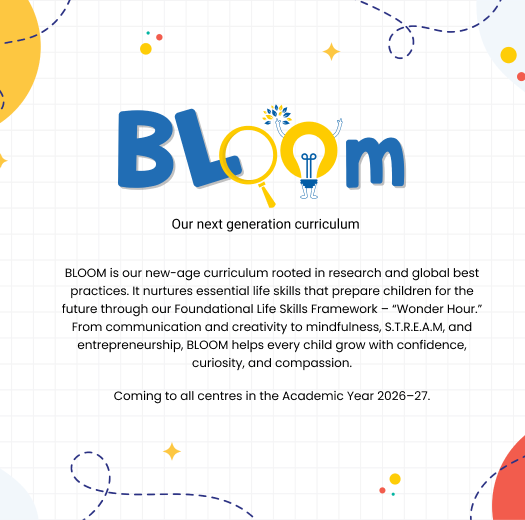
comprehension. Preschools that follow research-based curriculums, such as the
BLOOM Curriculum at Little Millennium, intentionally weave expressive
activities into their lesson plans to support multiple areas of development.
Encouraging Creativity at Home
Parents can extend these benefits at home with simple
activities. Playing music during play time, encouraging dance breaks, and
providing safe materials like crayons, paper, and modelling clay invites
children to explore creatively every day.
There is no need for structured lessons. Free, unstructured
creative time often leads to the most meaningful learning, as children take the
lead and follow their own curiosity.
Final Thoughts
Music, art, and movement are not simply enrichment
activities—they are fundamental to a child’s early development. For families
exploring preschool options in Fatehgarh Churian, gurdaspur, choosing a learning
environment that embraces creative expression helps children build confidence,
curiosity, emotional resilience, and strong social skills alongside academic
readiness.
These engaging experiences do more than make learning
enjoyable; they shape how children think, communicate, and connect with the
world around them. By nurturing creativity from an early age, preschools lay
the foundation for lifelong learning, self-expression, and meaningful
discovery.